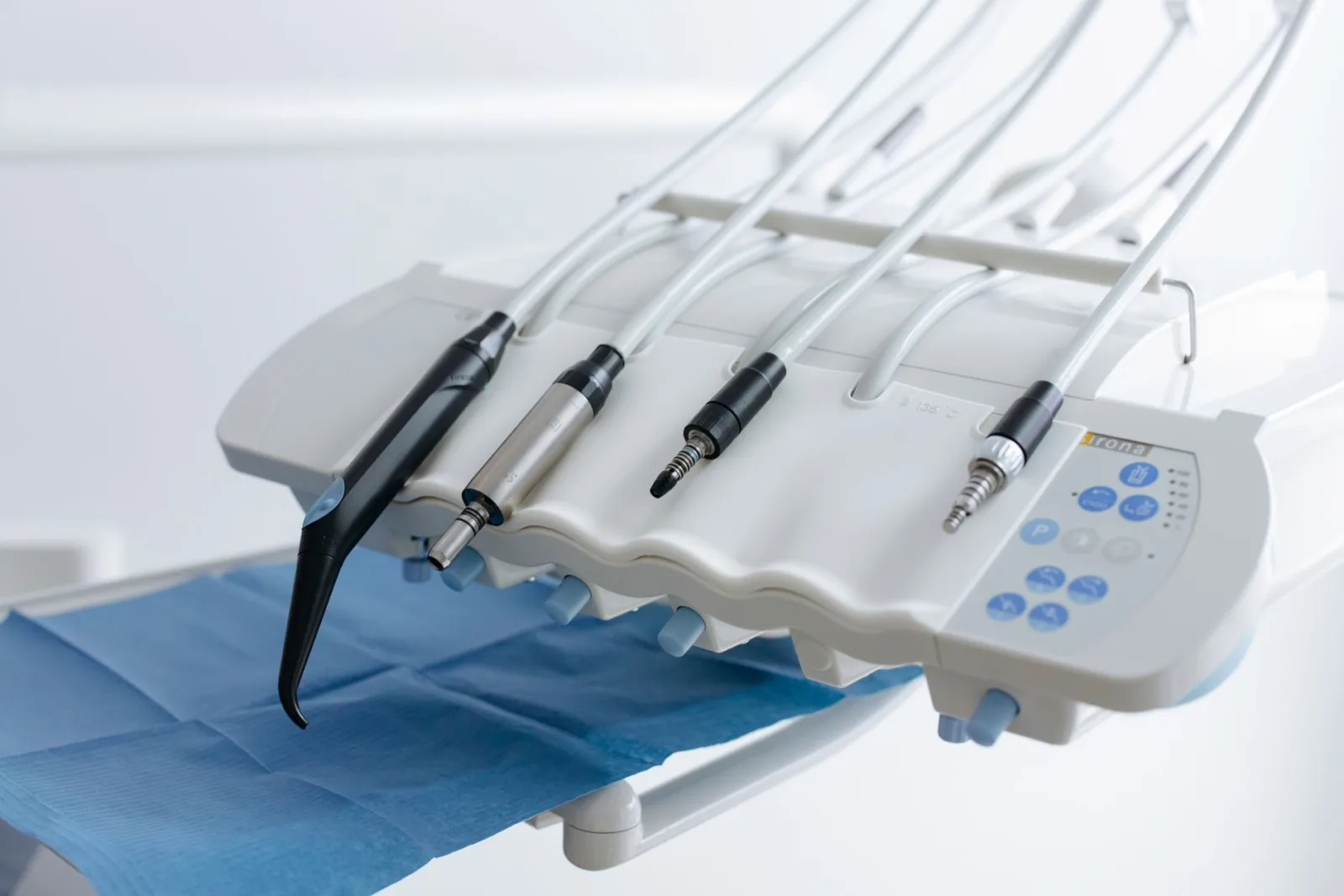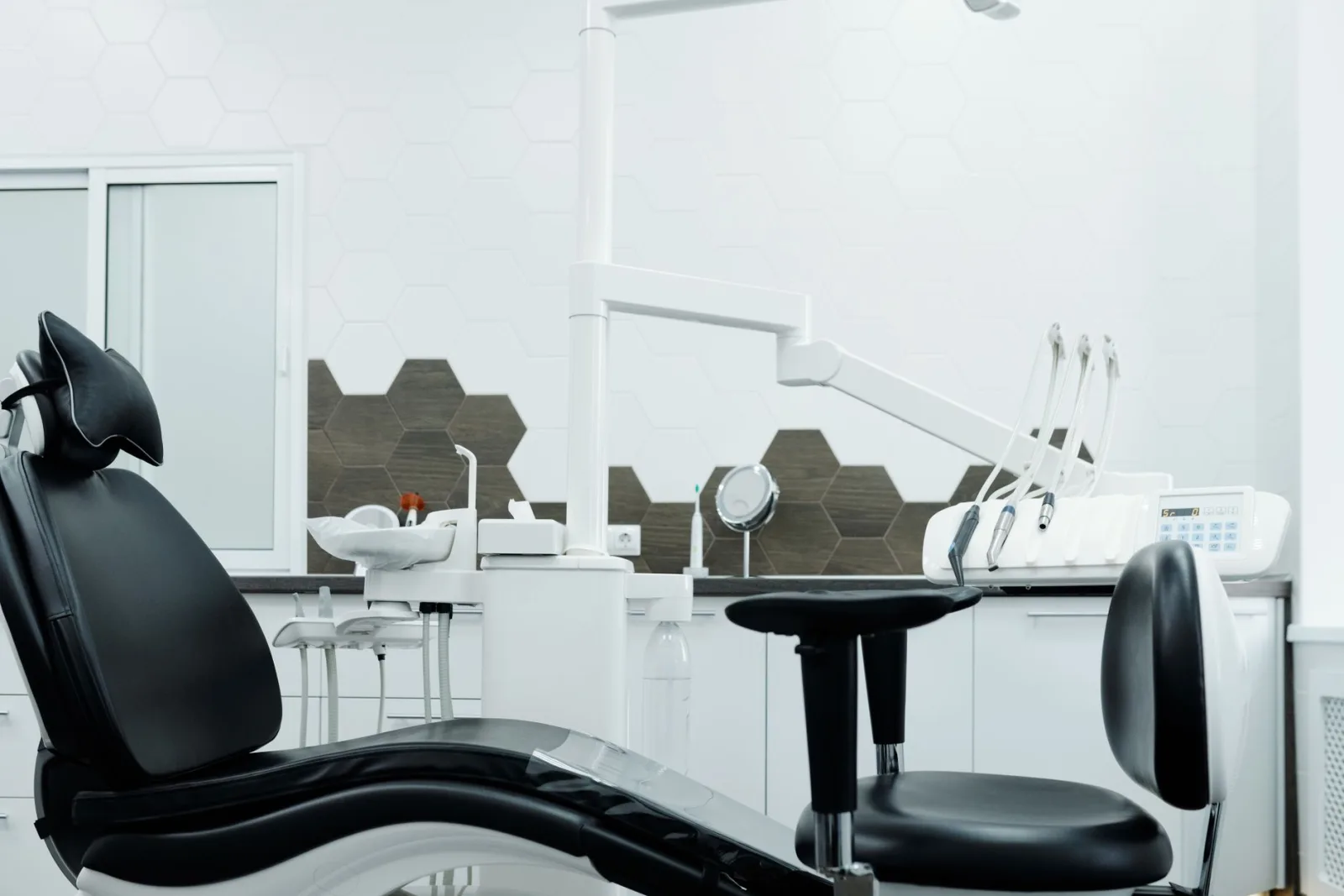
In most dental practices, time is the resource that gets managed least carefully and costs the most when it slips. Revenue, patient satisfaction, and staff morale all trace back in some way to how efficiently the clinical workflow moves from appointment to appointment. Yet workflow analysis is still treated in many practices as a back-office concern rather than a clinical one.
In reality, clinical workflow decisions, particularly the small procedural choices made during treatment, can have a greater impact on practice profitability than many overhead expenses. When these decisions support consistent and efficient care, financial performance improves. When they create unnecessary delays, the resulting losses accumulate across the schedule over time.
Where Time Actually Goes in the Operatory
A typical pre-injection sequence in a general practice involves seating the patient, reviewing the case, preparing materials, applying topical anesthetic, waiting for onset, confirming comfort, and delivering the injection. Most of those steps are compressed or standardized. The topical anesthetic dwell time is frequently the one that is not.
Benzocaine gel, the most common topical preparation in use, requires a dwell time of three to five minutes to achieve meaningful mucosal effect. In busy general practices, that dwell time is often one of the most underestimated sources of appointment overrun. DentalJect takes a different approach here: its spray applies in one to two seconds, removing that waiting period from the sequence entirely rather than just shortening it.
Here is how that time loss accumulates across a typical schedule when a slower-onset topical is in use:
Average dwell time per gel application: 3-5 minutes
Injection-required procedures per provider per day (average): 10-15
Total passive waiting time per provider per day: 30-60 minutes
Across a 5-provider practice, that is up to 300 minutes of non-productive time, daily
Eliminating that dwell period changes the shape of the appointment itself. Instead of a fixed pause built into every injection, the topical step becomes nearly instantaneous, and the rest of the sequence, seating, review, preparation, injection, can proceed without the same accumulated drag across a full schedule.
Calculating the ROI of Faster Preparation
The return on a faster pre-injection protocol becomes clear when viewed through the value of chair time. According to data cited by Becker’s Dental + DSO Review, the average billable chair time for U.S. dentists is approximately $572 per hour.
At that rate, a three- to five-minute wait for topical anesthetic onset represents roughly $29 to $48 in productive time per patient. When the total delay approaches ten minutes, the opportunity cost can exceed $95 per patient.
What appears to be a low-cost topical anesthetic on paper may ultimately carry a much higher operational cost once workflow delays are factored in. By reducing or eliminating dwell time, practices can recover valuable chairtime, improve efficiency, and keep schedules moving smoothly.
The Workflow Cost of Unpredictability
Beyond raw time savings, clinical workflow suffers when preparation steps are inconsistent. A topical agent that works well on some patients and unreliably on others creates a downstream management problem. Clinicians slow down, check in more frequently, and add supplemental steps that were not planned for.
That unpredictability disrupts not just the individual appointment but the entire afternoon schedule. The clinical benefits of DentalJect include a controlled, consistent onset profile that does not depend on tissue hydration, salivary dilution, or application technique variability, it depends on delivering the same result, procedure after procedure.
Operational consistency matters because its effects compound. Practices that build reliable pre-injection protocols report:
Lower rates of appointment overrun
Fewer supplemental injections and unplanned chair-time extensions
Reduced staff stress from managing distressed patients mid-schedule
Higher patient satisfaction scores and improved recall compliance
Thinking Beyond the Injection Room
Clinical workflow optimization does not end with the pre-injection protocol. Front-desk scheduling, room turnover time, and post-appointment checkout all contribute to the overall efficiency of a practice. But the operatory is where the largest concentration of variability lives, and it is where targeted change has the most reliable impact.
The real cost of waiting is not always visible on a spreadsheet. But it shows up every afternoon in the schedule, in the staff debrief, and in the patient who had to reschedule because the appointment ran long. Addressing inefficiencies at the point-of-care level is one of the most actionable improvements a practice can make this quarter. If you are evaluating ways to create a more streamlined and predictable workflow, see how DentalJect fits into your operatory workflow and the role it can play in reducing preparation time while enhancing the patient experience. Reach out to schedule a conversation and explore how small changes at the point of care can lead to measurable improvements across your practice.
Details
Cover Image
Description Even small workflow delays can create significant hidden costs. Learn how clinical workflow optimization improves efficiency and ROI.
Categories None set
Tags None set
SEO title Why Clinical Workflow Efficiency Matters for ROI
SEO description See how small clinical workflow improvements can reduce downtime, increase productivity, and support long-term practice growth.
SEO url clinical-workflow-efficiency-matters
Custom fields
ICP None set
KPI None set
Ready to start the No-Wait Injection Protocol?
Add DentalJect to your practice with the risk-free Intro Bundle.
Get the Intro Bundle