Every vapocoolant application depends on a piece of physics that most clinicians never see directly during use. Vapor pressure describes how readily a liquid evaporates at a given temperature, and the rate of that evaporation shapes how quickly heat leaves the tissue underneath. Understanding the relationship helps explain why two sprays that look similar can produce very different clinical effects on the same mucosa.
Cooling rate is the second variable that determines how deep the anesthetic effect actually reaches during a brief application. Rapid cooling penetrates further into the tissue before rewarming begins to reverse the effect. The interaction between vapor pressure and cooling rate is what separates a well-designed vapocoolant from a poorly matched one.
How Do Vapor Pressure and Cooling Rate Affect the Depth of Mucosal Anesthesia?
Vapor pressure and cooling rate together determine how deeply a vapocoolant can numb the mucosa during a brief application. Higher vapor pressure produces faster evaporation and steeper cooling, which drives the thermal effect deeper into the tissue before rewarming reverses it. Cooling rate then governs how long the analgesic window lasts and how consistently it covers the moment of the needle stick.
What Vapor Pressure Means for a Vapocoolant Spray
Vapor pressure is the tendency of a liquid to evaporate at a given temperature, and the value shapes how any vapocoolant performs in clinical use. A liquid with high vapor pressure evaporates readily on contact with warmer surfaces, which pulls heat away from the tissue quickly. Low vapor pressure means slower evaporation, less cooling, and a weaker analgesic effect at the target site.
Different vapocoolant formulations sit at very different points on the vapor pressure scale. Ethyl chloride, HFO-1234ze, and older hydrocarbon blends all evaporate at different rates when they hit body-temperature tissue. Formulation choice therefore determines a large share of what the device can actually deliver clinically.
The physics runs through a straightforward energy exchange at the surface of the mucosa. Liquid droplets absorb heat from the tissue as they transition into gas, which cools the surface directly beneath the spray. Higher vapor pressure accelerates the transition and produces a steeper temperature drop over the same application window.
According to a Nature Scientific Reports study on evaporative cooling, evaporation rate depends on the thermal conductivity of the liquid, the substrate underneath, and the surrounding pressure. Substances with higher vapor pressure produce stronger cooling effects than water at the same conditions. The finding explains why methanol and similar solvents cool skin more aggressively than water alone during evaporation.
How Cooling Rate Translates to Depth of Mucosal Effect
Cooling rate governs how deeply the vapocoolant effect actually reaches into the mucosa during a brief application. Fast cooling penetrates further into the tissue before rewarming begins to reverse the effect from the surface inward. Slow cooling produces a thin, superficial numbing zone that fades before the injection can benefit from it.
Rate Determines Depth - Rapid temperature drops push the analgesic effect below the surface layer of the mucosa.
Duration Sets the Window - Longer application does not automatically increase depth once tissue reaches the effective cooling threshold.
Tissue Conductivity Matters - Denser tissue transfers heat differently than loose submucosal areas across the oral cavity.
Rewarming Reverses Effect - Blood flow from below rewarms the tissue within about a minute after the spray ends.
Nerve Depth Varies - Superficial fibers respond first, while deeper fibers may need longer or more concentrated cooling to shift response.
Cooling rate is easier to engineer than to control by hand at chairside. Device parameters like droplet size, spray distance, and dispensing pressure all shape how quickly the coolant reaches the target temperature. Assistants who follow the manufacturer's guidance get more predictable depth than teams improvising their technique on each patient.
The Interaction Between Vapor Pressure and Tissue Response
The interaction between vapor pressure and tissue response is what determines whether an application produces the intended clinical effect. High vapor pressure alone does not guarantee deep numbing if the tissue itself resists heat transfer or rewarms too quickly. Matching the spray to the tissue type is where physics meets clinical reality at chairside.
Keratinized Mucosa - Denser tissue on the hard palate transfers heat less readily than looser buccal mucosa.
Hydration Level - Saliva coating helps a high-vapor-pressure spray distribute evenly across the surface.
Vascular Supply - Highly perfused regions rewarm faster, which shortens the effective analgesic window.
Application Angle - Perpendicular delivery maximizes contact and heat transfer between droplets and mucosa.
Ambient Conditions - Room temperature and humidity subtly influence how much evaporation happens between the nozzle and the tissue.
According to a study on evaporative cooling capacity, cooling capacity increases when lower relative humidity and reduced water vapor partial pressure enhance evaporation. The finding highlights how ambient variables shape the effect that vapor pressure produces at the surface. Small environmental changes can shift how a spray performs at the same site.
Furthermore, the interaction becomes clinically important when a team switches between injection sites during a single appointment. Palatal blocks and buccal infiltrations both respond well to cooling, but the depth and duration of the effect can shift.
Applying the Physics to Real Injection Workflows
Applying the physics of vapor pressure and cooling rate to real injection workflows starts with matching device parameters to the clinical moment. A well-engineered vapocoolant delivers consistent depth across different sites without requiring clinicians to adjust their technique for each injection. The team gains predictable results without spending mental energy on the physics itself.
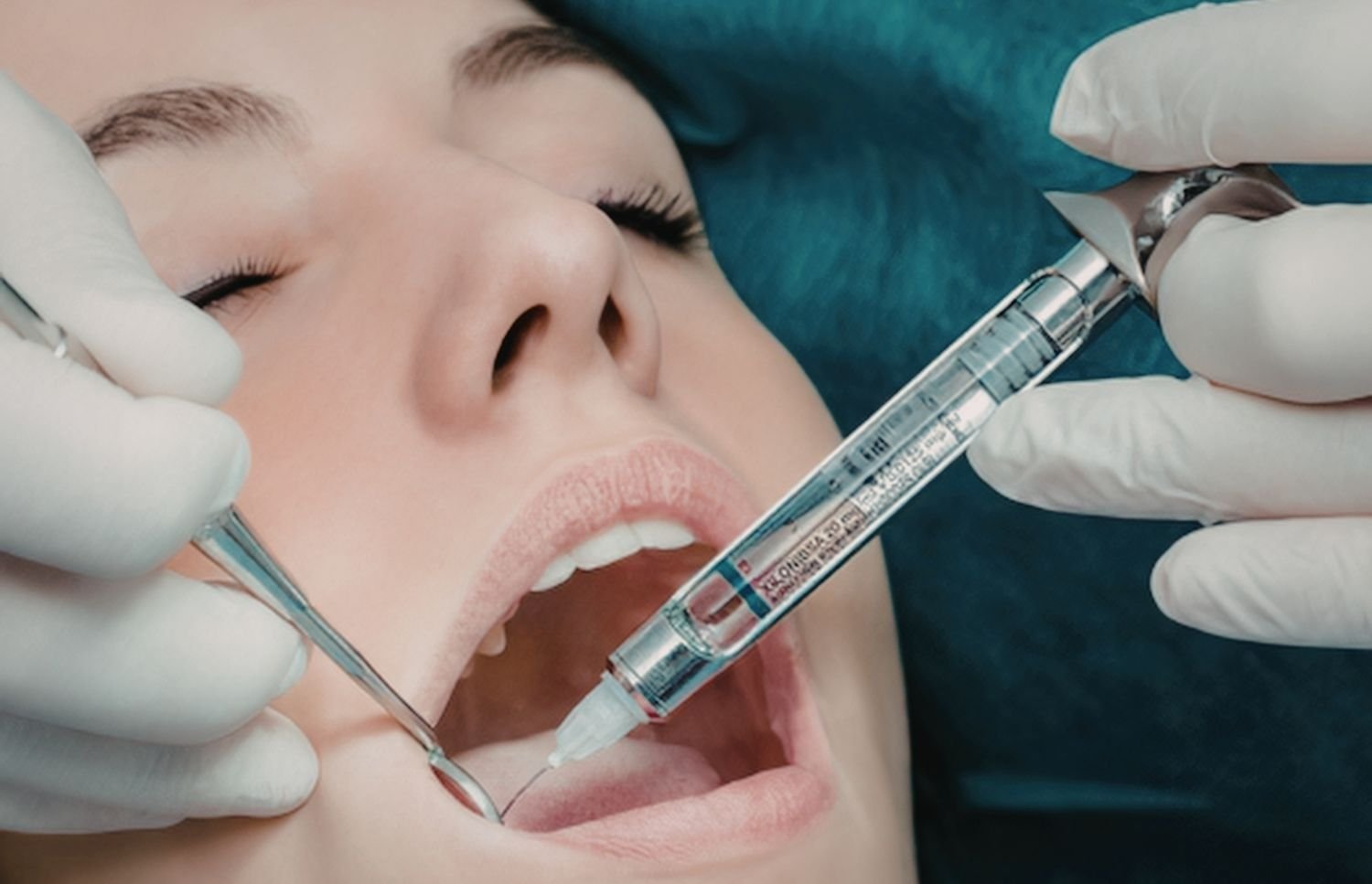
Application distance is the single variable most teams can adjust during use to influence cooling rate. Positioning the nozzle at the manufacturer's recommended distance produces the intended droplet velocity at impact.
Application duration is set by the device design, not by the operator's judgment during the case. Modern vapocoolants specify exact spray windows to keep tissue temperature inside the safe analgesic range. Staying within that window delivers the intended depth without pushing tissue toward frostbite or pigmentation changes.
Meanwhile, patient variables shape how the same physics plays out from one appointment to the next. Tissue hydration, saliva coverage, and baseline circulation all influence how quickly the effect develops and fades. Clinicians who account for these variables get more consistent outcomes across a full schedule.
Ready to Put the Physics to Work in Your Operatory?
Vapor pressure and cooling rate quietly shape every vapocoolant application in a clinical setting. Matching the right physics to the right tissue is what turns a fast spray into a reliable analgesic tool. Small engineering choices determine whether a device delivers consistent depth or unpredictable results.
DentalJect handles the physics through engineered dispensing, controlled spray distance, and a formulation designed for intraoral mucosa. The device pairs cleanly with any anesthetic protocol your practice already runs. Talk with the VCS Medical team about bringing predictable cooling into your injection workflow.
Ready to start the No-Wait Injection Protocol?
Add DentalJect to your practice with the Intro Bundle.
Get the Intro Bundle