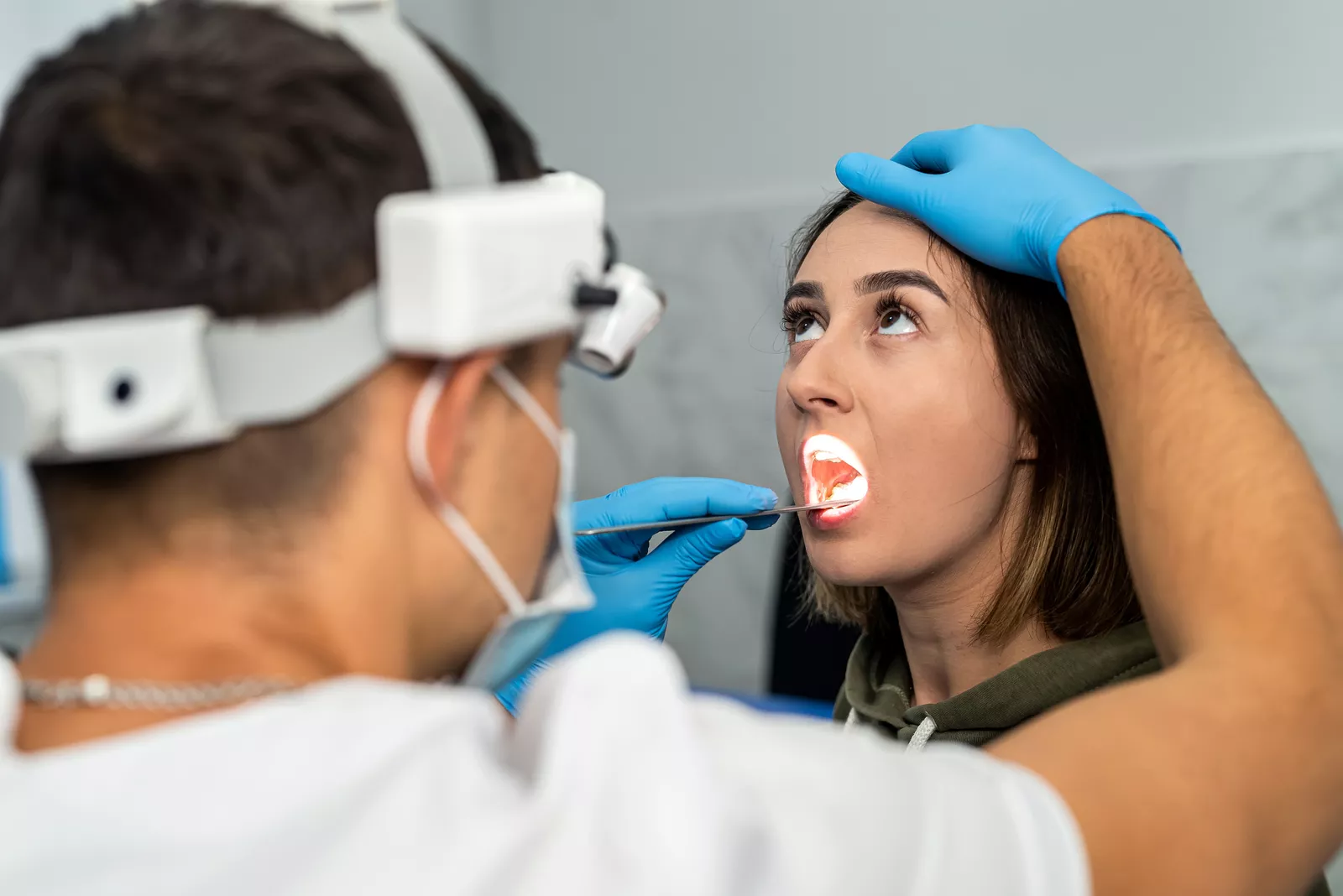
Most dental injections are preceded by a numbing step, usually a gel placed on the tissue. That gel needs several minutes to take effect before the needle can follow. A numbing spray applied just before the injection is designed to shorten or remove that wait, numbing the tissue almost immediately.
The Minutes Before Every Injection
That wait is built into the gel. Lidocaine gel needs roughly 1 to 2 minutes to begin working, and reaches peak effect at around 5 minutes, according to a review in the Journal of Dental Anesthesia and Pain Medicine. The needle does not go in until those minutes pass.
In a full operatory, that waiting is rarely silent. You place the gel on dried mucosa, set a timer or move to another task, then return to check whether the tissue feels ready. The patient sits with the taste on their tongue, knowing the injection is still coming.
A 5% lidocaine ointment needs at least 3 minutes to reach an adequate effect, the same review reports. That wait repeats before every injection where gel is used. The useful question is whether the delay built into the gel still earns its place in the workflow.
Where Gel Comes Up Short
Gel does not numb the palate as reliably as it numbs other sites. A review of topical anesthetics notes that benzocaine, while effective on alveolar mucosa, is much less effective on the thick, firm palatal mucosa. That is one reason palatal injections are among the hardest sites to numb with gel alone.
The difference comes down to tissue. Keratinized palatal tissue is dense and tightly bound, and a topical gel may be less effective there due to tissue type or limited depth penetration. You can extend the dwell time and still find the patient flinches at the greater palatine site.
Benzocaine has been studied widely too. A retrospective study of 2,336 injections, published in Anesthesia Progress, found 20% benzocaine reduced needle-insertion pain for maxillary anterior injections but showed no difference for inferior alveolar nerve blocks or posterior maxillary infiltrations. The injection site shapes what the gel step can do. Understanding where those gaps sit is part of a sound comfort strategy. The benefits of the cooling spray page sets out where it is designed to help in these harder-to-numb areas.
A Numbing Spray in Place of the Gel Step
DentalJect is a drug-free cooling spray that instantly numbs the tissue before a dental injection, so the injection can begin right away. That removes the gel dwell time and typically saves 3 to 5 minutes of chair time compared with topical gel, when used as directed.
The mechanism is straightforward in practice. A targeted cool gas is applied to the mucosa at the planned entry point. The tissue numbs, and you proceed without waiting for a product to absorb. There is no timer and no return trip to the chair to check readiness.
This changes one specific step: it replaces the gel used before a local anesthetic injection, so there is no need to use both. Gel still has a place in other procedures, such as scaling and root planing, where surface numbness needs to last longer than the brief pre-injection window a cooling spray is built for. The mechanism is explained on the how the cooling spray works page, and the Interactive User Guide on the Resources page walks through the application step by step. The clinical team decides the protocol; the spray is designed to make the pre-injection step faster and more comfortable.
Patient Anxiety and the Injection Step
The injection drives a large share of dental fear. About one in four adults reports a clinically significant fear of dental injections, according to a randomized trial in the Journal of Dental Research, and one in 20 reports avoiding dental treatment because of that fear. For these patients, the moments before the needle matter as much as the injection itself.
Anticipation is part of the problem. A patient who waits while gel absorbs has several minutes to focus on what comes next. Shortening that window, and giving the tissue a cold sensation they can feel working, gives anxious patients something concrete instead of dread.
The patients most likely to notice the difference are the ones who were already nervous about the shot. DentalJect's testimonials page shares short accounts from clinicians and assistants. A more comfortable pre-injection step is designed to help reduce the discomfort associated with injections, supporting the larger goal of keeping anxious patients in the chair rather than out of the practice.
Fitting a Cooling Spray Into the Injection Workflow
A cooling spray fits into the appointment at the point where gel used to sit. You apply the spray to the mucosa at the entry point, with the natural saliva layer left in place, and inject once the tissue is numb. It rapidly numbs the tissue to effectively block pain signals before a dental injection, so the sequence is quick rather than staged.
Explaining the process to the patient is simple: tell them you are applying something cold to numb the spot, apply it, and proceed. There is less waiting to describe, and less time for them to tense up.
When using it with children, consult a pediatric dentist for any patient under 4 years of age. Beyond that threshold, the same fast, low-drama step helps an anxious adult, and can help a nervous child as well. The full picture of how the No-Wait approach fits everyday injection appointments sits on the product's home page.
Where This Leaves Your Pre-Injection Step
For your practice, this means the pre-injection wait is no longer fixed. Swapping that gel dwell time for a drug-free cooling spray lets you begin the injection immediately. That helps most on the hardest sites to numb and with the most anxious patients in the chair. DentalJect is sold to dental professionals for use before a local anesthetic injection. If you want to see how it fits your protocol, reach the DentalJect team directly through their contact page.
Photo: Tima Miroshnichenko (Pexels)
Ready to start the No-Wait Injection Protocol?
Add DentalJect to your practice with the Intro Bundle.
Get the Intro Bundle