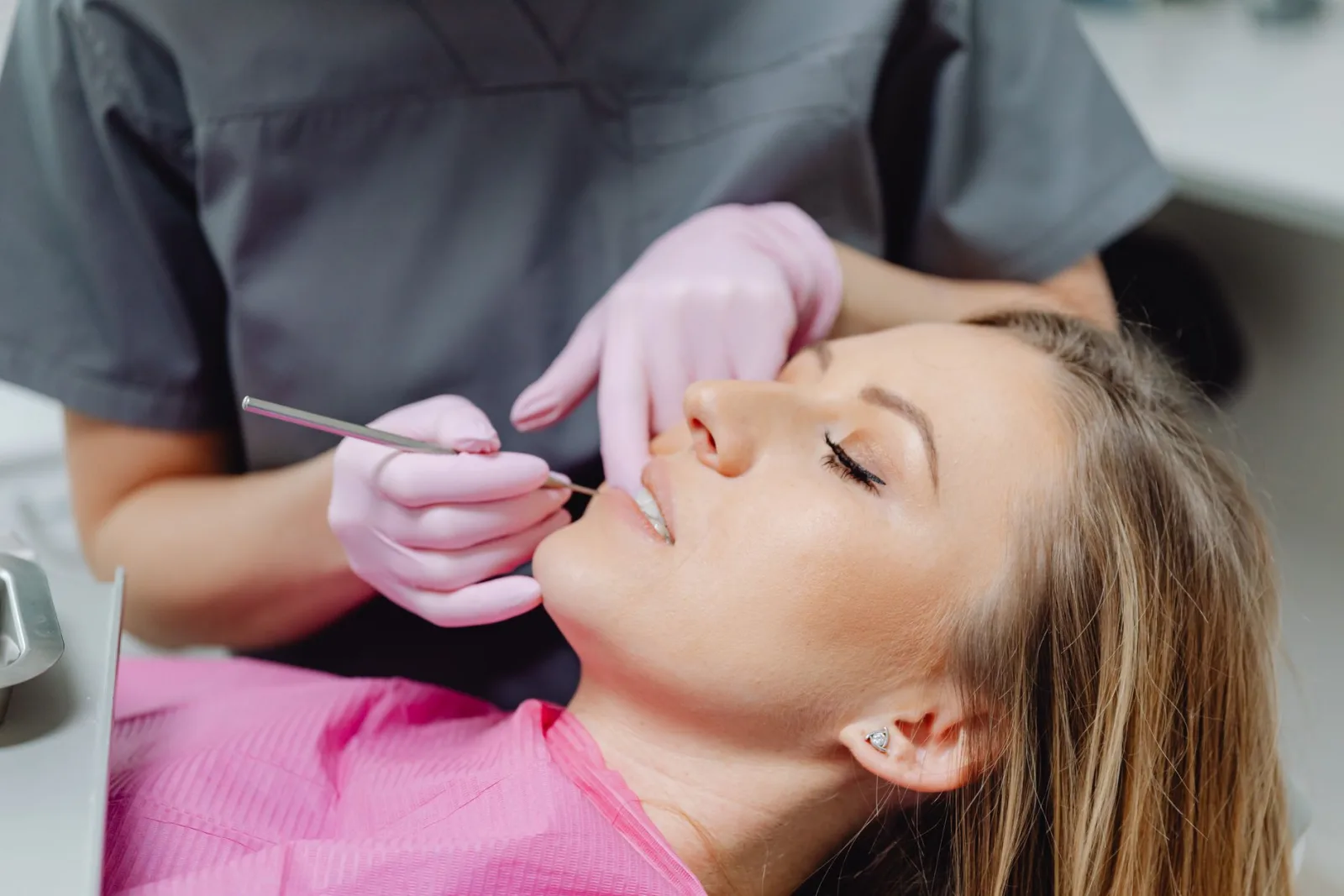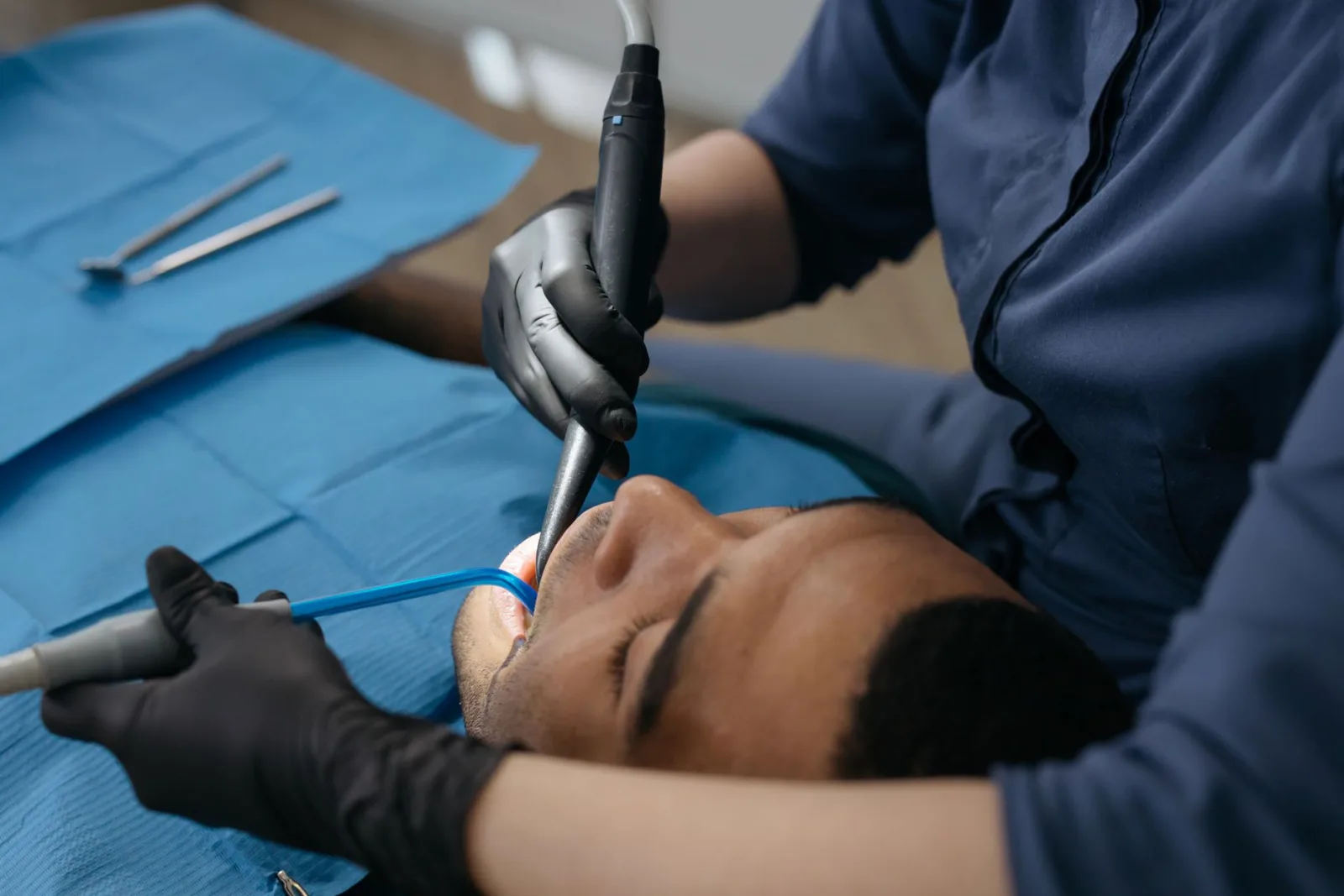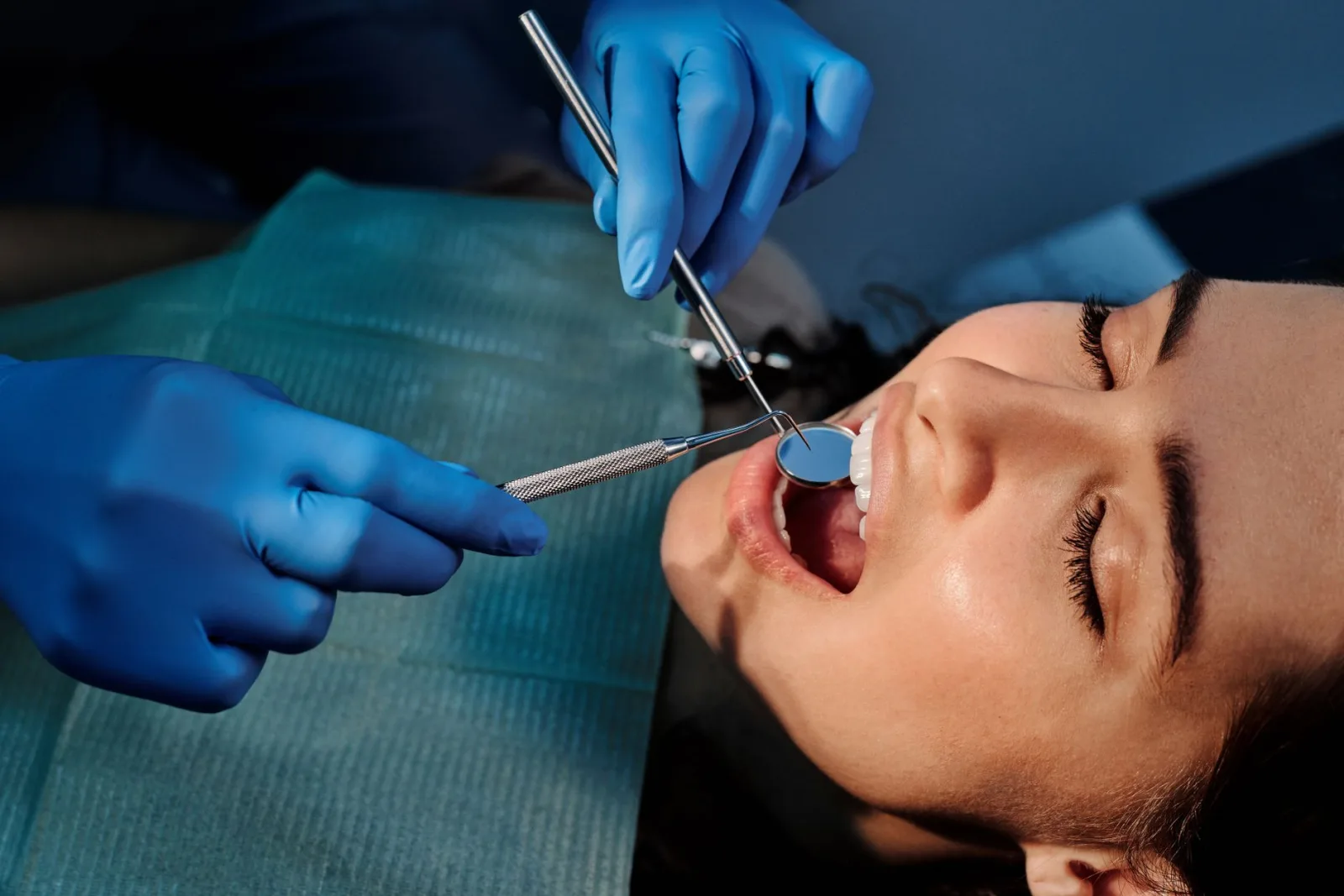
Among all the injection techniques in a dental provider’s repertoire, palatal injections carry a particular reputation. Patients dread them. Experienced clinicians acknowledge that they can be among the most uncomfortable parts of a routine dental appointment. And yet, for a wide range of upper quadrant procedures, they are clinically necessary.
The challenge is not whether to give palatal injections, it is how to give them in a way that does not define the patient’s experience of the entire appointment. Deliberate preparation and precise technique both play a role, and the preparation step in particular is often where the biggest gains in comfort are made, simply because it’s the part of the sequence patients feel first.
Why Palatal Injection Sites Are Uniquely Sensitive
The palatal mucosa is tightly bound to the underlying bone, with almost no submucosal tissue to absorb pressure. Unlike buccal mucosa, which has some give when fluid is introduced, the palate has nowhere for injected solution to go except against nerve endings. It’s also more heavily keratinized, which helps it withstand chewing but makes it more resistant to topical anesthetic penetration.
This anatomy creates two distinct sources of discomfort:
Needle puncture sensation: addressable with effective topical preparation
Solution pressure pain: managed through slow, controlled delivery technique
These are mechanically different problems. A topical agent doesn’t slow the pressure of solution deposited into tissue with nowhere to expand, and careful injection technique doesn’t change what a patient feels in the first half-second of needle contact. DentalJect’s mechanism, a fast, targeted application before the needle is introduced, addresses the first problem specifically, leaving technique to handle the second. Providers who treat palatal anesthesia as unavoidably painful are accepting a standard that better preparation and technique can exceed.
Topical Preparation for Palatal Sites
Topical anesthetic applied to the palatal mucosa before needle insertion reduces the initial puncture sensation. This step is often skipped in palatal protocols because gel-based preparations require a dwell time that disrupts workflow, and because providers sometimes underestimate how much the puncture sensation itself contributes to total patient distress.
Fast-acting vapocoolant systems avoid that dwell-time tradeoff entirely. A one to two second application immediately before needle placement introduces a meaningful comfort step without adding time to the appointment. DentalJect’s benefits for both clinicians and patients reflect this specific advantage: less procedural friction without sacrificing comfort.
Even a modest reduction in the puncture sensation changes the patient’s threshold for the pressure phase that follows. A calm first moment sets the tone for everything after it.
Technique Refinements That Make a Real Difference
Beyond topical preparation, several technique adjustments contribute meaningfully to patient comfort during palatal injections:
Needle gauge: A 27 or 30 gauge needle reduces initial tissue resistance and minimizes the puncture sensation
Bevel orientation: Positioning the bevel toward palatal bone reduces tearing on insertion
Solution delivery rate: Depositing at approximately 1 mL per minute or slower significantly reduces the pressure response, this single adjustment is among the most impactful changes a provider can make
Pre-injection pressure: Applying firm pressure to the site for several seconds before insertion activates mechanoreceptors that partially dampen the puncture pain signal
Steady advancement: A confident, continuous advancement without hesitation is perceived as less distressing than a stop-start movement
While each of these technique refinements can improve patient comfort on its own, their impact is amplified when combined with an effective pre-injection protocol. The most successful clinicians recognize that injection comfort is rarely the result of a single factor. Instead, it comes from a series of deliberate choices that reduce discomfort before, during, and after needle insertion. Understanding how these elements work together provides a clearer picture of what a truly patient-centered injection experience looks like.
Communication During the Injection
How a provider talks during a palatal injection affects how the patient experiences it. Narrating the sequence in calm, concrete terms gives the patient a cognitive framework that competes with anxiety. Compare these two approaches:
“This might be a little uncomfortable.”: Generic, ambiguous, raises anticipatory fear
“I am going to start now. You will feel some brief pressure, and I am going to go very slowly.”, Specific, truthful, communicates control
Directing the patient’s attention briefly away from the injection site through conversation or focused breathing can also reduce sensory amplification. These communication strategies do not eliminate discomfort, but they reduce the psychological component of patient distress in real time.
What Clinicians Are Saying
DentalJect’s testimonials page includes direct observations from providers who have incorporated vapocoolant preparation into their palatal protocols, offering a practical sense of how these communication and preparation strategies play out in the operatory. For practices interested in exploring the approach further, DentalJect’s team is available to talk through it.
Details
Cover Image
Description Discover practical strategies for reducing discomfort and anxiety during palatal injections to improve the patient experience.
Categories None set
Tags None set
SEO title Palatal Injections: How to Reduce Patient Distress
SEO description Find out how preparation, technique, and pain management can reduce pain and discomfort for patients during palatal injections.
SEO url palatal-injections-reduce-patient-distress
Custom fields
ICP None set
KPI None set
Ready to start the No-Wait Injection Protocol?
Add DentalJect to your practice with the risk-free Intro Bundle.
Get the Intro Bundle