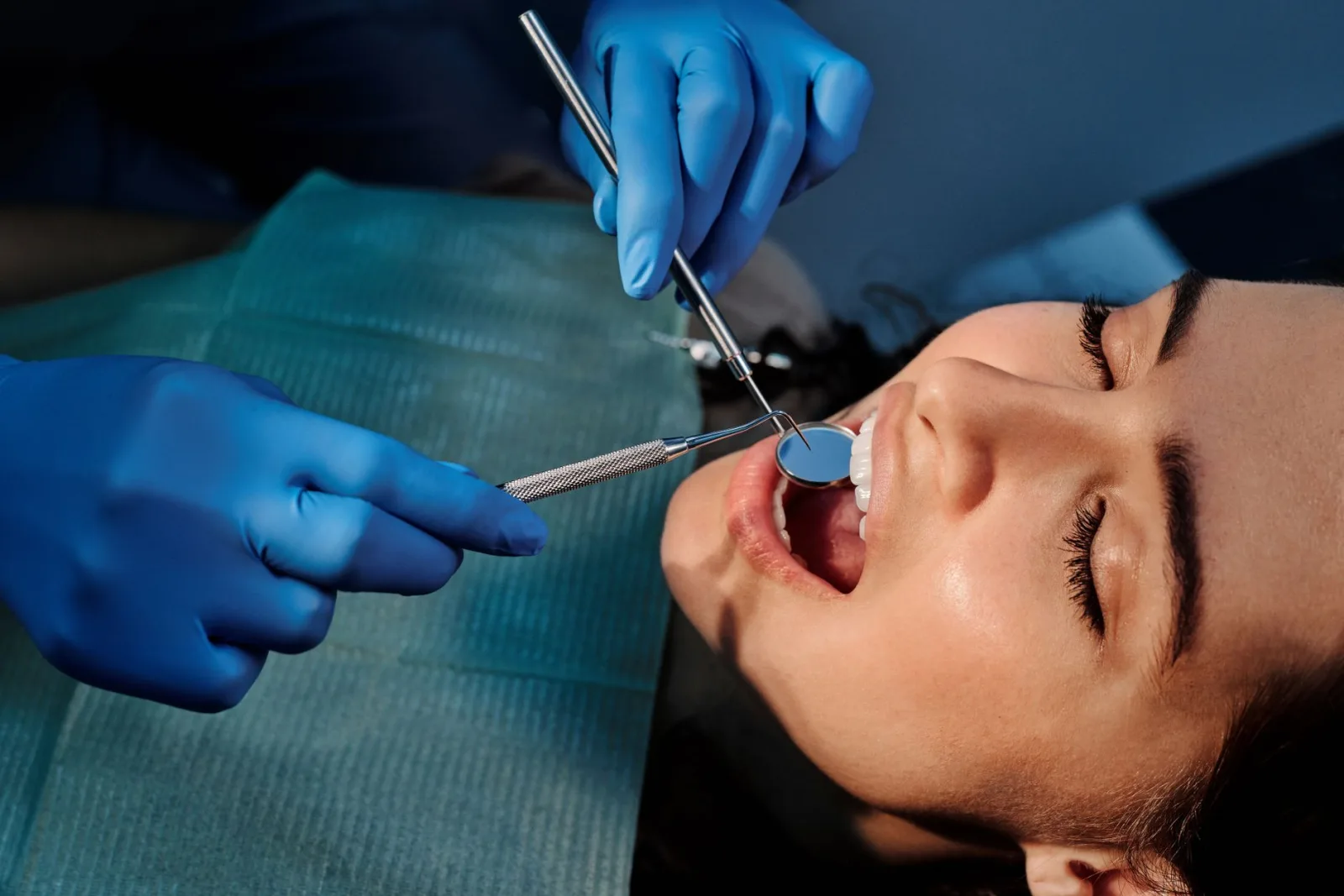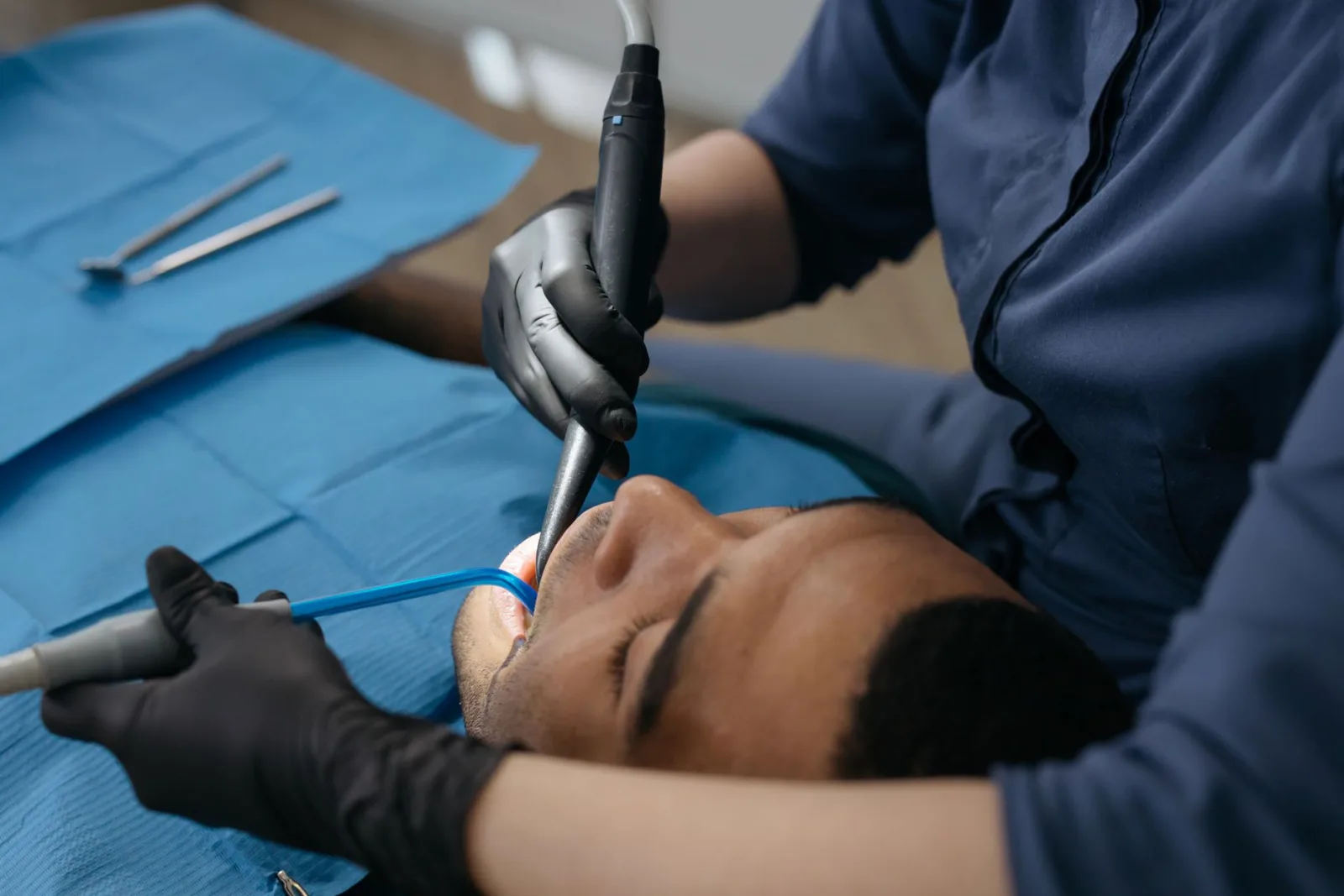
Benzocaine topical anesthetic has been a fixture in dental operatories for decades. Its familiarity is part of its appeal. Most dental school graduates are trained on it, most practices stock it, and most patients have experienced it. But familiarity is not the same as optimality, and for practices focused on delivering a modern patient experience, benzocaine topical preparations are worth reconsidering.
This is not a case against benzocaine as a molecule. At appropriate concentrations and with correct technique, it provides meaningful surface anesthesia. The case for moving beyond it is rooted in what newer delivery systems offer: faster onset, more consistent performance, and a patient experience that better reflects the standards of care modern practices want to provide.
The Limitations of Benzocaine Topical Anesthetics
Benzocaine gel or Benzocaine topical anesthetic works through passive diffusion. It is placed on the mucosa, and over two to four minutes, the active agent penetrates the superficial tissue layers and reduces sensory nerve activity at the injection site. The limitation is that this process is variable. Tissue hydration, saliva dilution, application thickness, and patient anatomy all influence how effectively the gel performs on any given day.
That variability is not catastrophic in most clinical situations, but it is operationally and experientially significant. The most common performance issues include:
Inconsistent onset time depending on mucosal condition and saliva volume
Reduced efficacy when application is thinner than optimal or when saliva dilutes the agent
No mechanism for the patient to perceive the preparation working, increasing anticipatory anxiety
Workflow delay of 3-5 minutes per site regardless of whether the gel performs well
For practices where injection appointments are high-volume, that inconsistency adds up. A preparation that performs reliably every time is not a luxury but rather, it is a workflow and patient experience asset.
Safety Considerations Worth Knowing in Using Benzocaine Topical Anesthetics
Benzocaine topical anesthetics are a para-aminobenzoic acid (PABA) derivative, and while true allergic reactions are relatively uncommon, they are well-documented. More clinically relevant is the association between benzocaine and methemoglobinemia, documented extensively in the NIH literature. This is a condition in which the oxygen-carrying capacity of hemoglobin is reduced, with risk factors including:
Pediatric patients under two years of age
Patients with glucose-6-phosphate dehydrogenase (G6PD) deficiency
Patients taking medications that compound oxidative stress on hemoglobin
High-concentration or repeated application in a single session
For pediatric practices in particular, this consideration influences product selection. A topical anesthetic system that achieves rapid onset through a vapocoolant mechanism rather than pharmacological diffusion does not carry the same drug-related risk profile.
What Modern Topical Systems Offer
Controlled vapocoolant delivery systems represent a different philosophy of pre-injection comfort compared to a traditional benzocaine topical anesthetic. Instead of introducing a pharmacological agent through passive mucosal diffusion, they deliver a rapid temperature change that transiently blocks superficial nerve signals at the injection site. The onset is immediate, the effect is localized, and the mechanism does not depend on tissue condition or application technique. This allows clinicians to achieve a more predictable patient experience without relying on extended contact times or variable application methods.
One of the key advantages of this approach is consistency. A benzocaine topical anesthetic can be influenced by factors such as saliva, uneven coverage, and differences in application technique, which may affect patient outcomes. Controlled vapocoolant systems are designed to deliver the same cooling effect with each use, helping reduce variability between patients and providers. Because the effect occurs almost instantly, clinicians can proceed directly to the injection, maintaining workflow efficiency while minimizing the waiting period that often contributes to patient anxiety.
DentalJect applies this technology through a prescription-class device developed specifically for the dental operatory. Its controlled delivery mechanism helps support reliable performance from the first application to the last canister, making it easier to standardize pre-injection protocols across the practice. For dental teams looking to improve both patient comfort and clinical efficiency, seeing how DentalJect works in practice can offer valuable insight into how modern vapocoolant technology fits seamlessly into everyday workflows.
Making the Transition in Practice
Switching topical preparations is a low-disruption practice improvement. It requires selecting a system, training staff on application protocol, and setting appropriate patient expectations during the transition period. Most practices that make the change report that the learning curve is brief and that the patient response validates the investment almost immediately.
Patients notice when a pre-injection step is fast and comfortable. They do not always articulate it in those terms, but it shows up in their willingness to return, their openness to recommended treatment, and the things they say to their friends. That word-of-mouth effect is one of the most valuable signals a practice can receive. For teams considering a more efficient approach to topical anesthetic delivery, now may be the right time to explore what that transition could look like in your own operatory. Talk to the DentalJect team to learn how the system integrates into existing workflows and why many practices find the switch simpler than expected.
Details
Cover Image
Description Learn why many dental practices are moving beyond benzocaine topical anesthetics and exploring modern alternatives for patient comfort.
Categories None set
Tags None set
SEO title Benzocaine Topical Anesthetics in Modern Dentistry
SEO description Explore why dental practices are moving beyond benzocaine topical anesthetics to improve patient comfort and workflow efficiency.
SEO url benzocaine-topical-anesthetics-modern-dentistry
Custom fields
ICP None set
KPI None set
Ready to start the No-Wait Injection Protocol?
Add DentalJect to your practice with the risk-free Intro Bundle.
Get the Intro Bundle