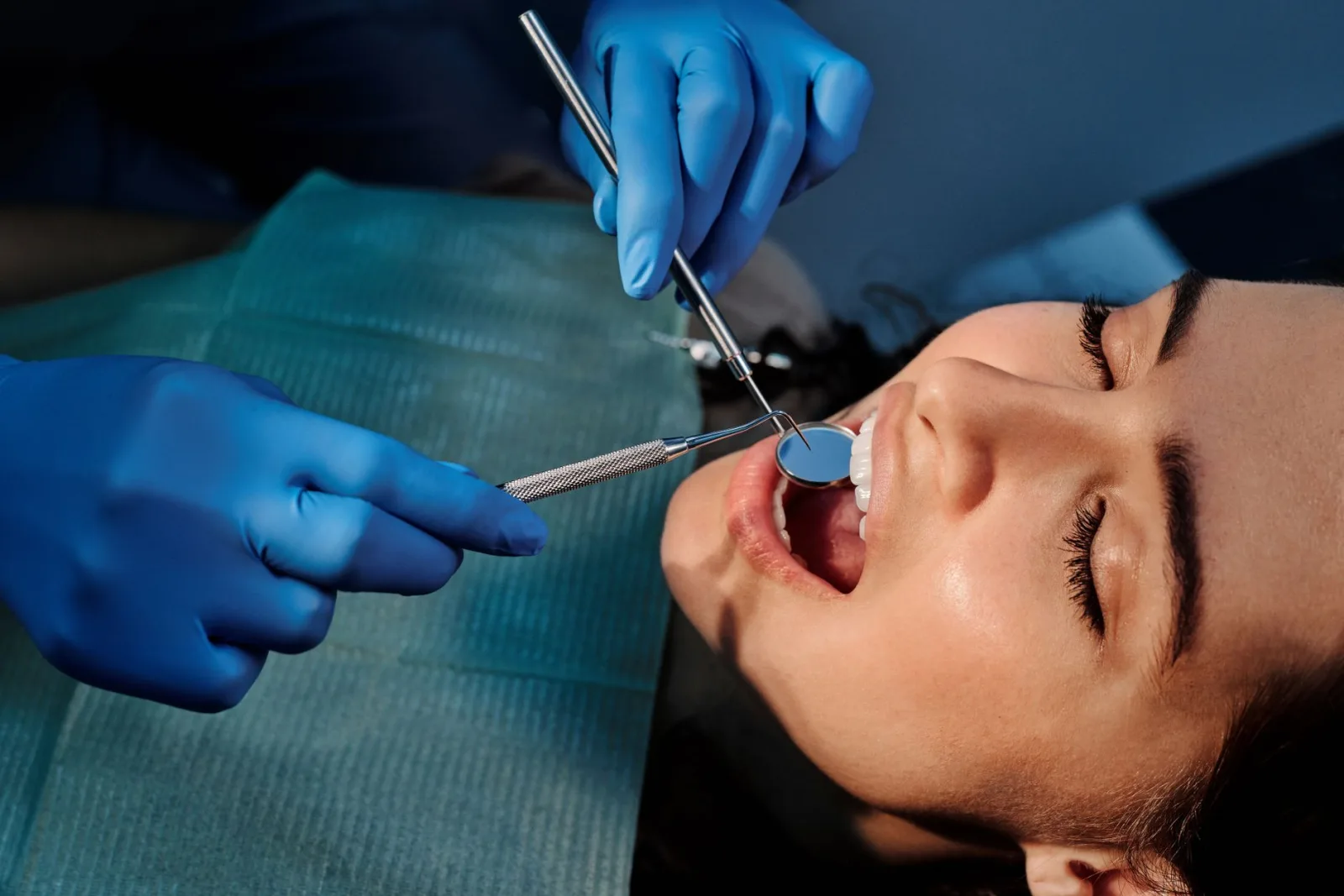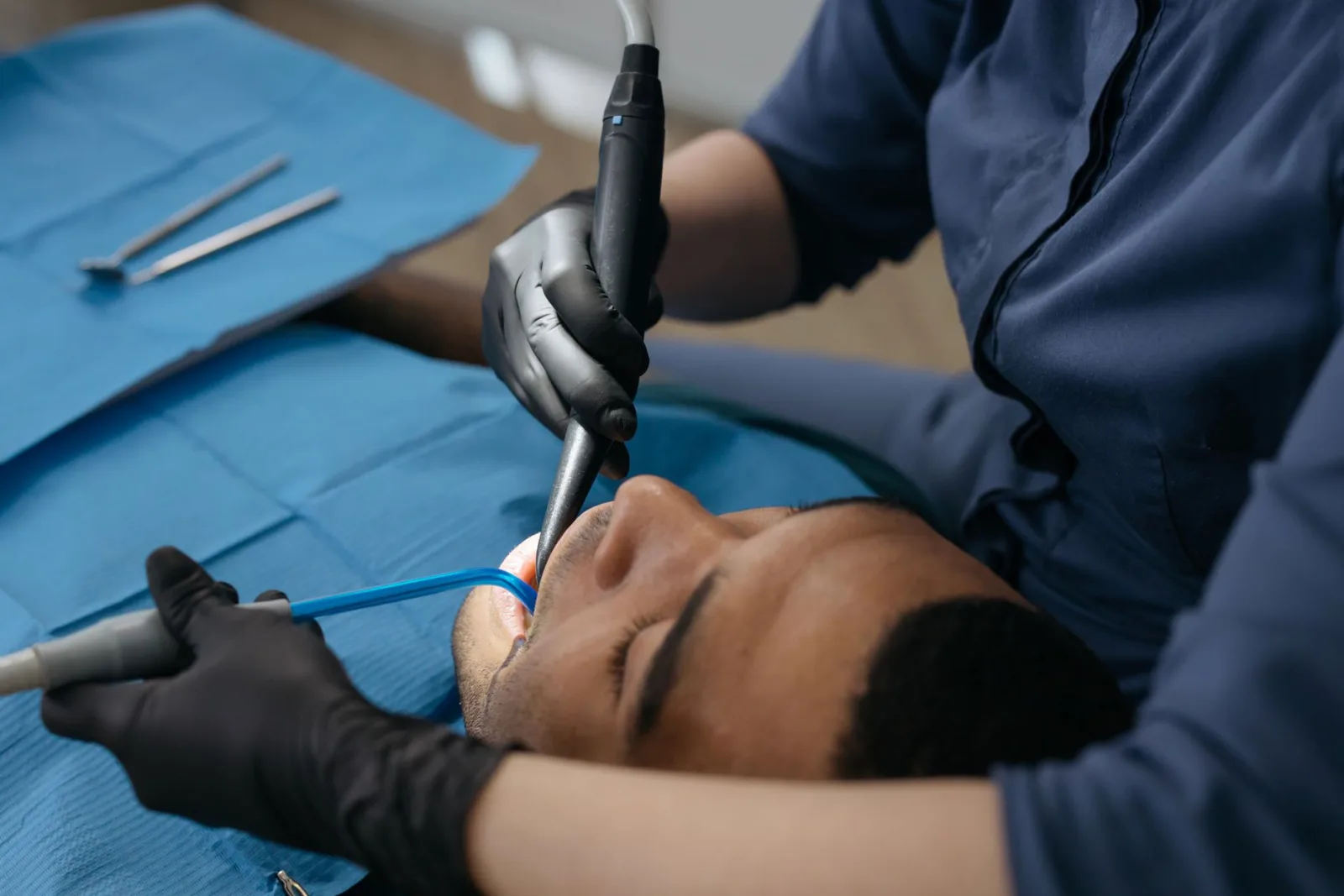
Articaine has earned a well-deserved reputation in modern dental anesthesia. Its higher lipid solubility and tissue penetration characteristics, combined with its relatively short half-life and favorable safety profile, make it a first-choice local anesthetic for many clinicians. But articaine, for all its pharmacological advantages, cannot solve the problem that precedes it.
The most sophisticated local anesthetic in the world cannot change what happens in the seconds before it is delivered. The anticipatory anxiety, the needle aversion, and the initial mucosal penetration are not addressed by the drug. They are addressed by the preparation. Patient perception of injection comfort is shaped as much by what happens before the needle as by the anesthetic itself. It is exactly the part of the experience that pre-injection protocol design is meant to address.
What Articaine Does Well
Articaine’s ability to diffuse through bone and soft tissue more effectively than lidocaine makes it particularly valuable in situations where conventional block techniques may be unpredictable, such as mandibular molar anesthesia in the presence of inflammation or anatomical variation.
For clinicians who rely on infiltration techniques more frequently than blocks, articaine’s penetration profile offers a meaningful clinical advantage. Its faster metabolism compared to other amide anesthetics also makes it appropriate for patients where duration management matters. These are real and well-documented clinical strengths.
However, those advantages operate entirely after the injection has been delivered. They do not address what happens in the operatory before the needle touches tissue, which is precisely the window DentalJect is designed to fill.
The Preparation Gap
In many practices, the transition from patient greeting to local anesthetic delivery receives less protocol attention than the injection technique itself. The topical preparation step is performed with variable consistency, and in some practices, it is omitted entirely when time pressure builds.
The implicit assumption is that skilled technique and a good drug will be enough. That assumption underserves patients. A cross-sectional study on dental anxiety and anesthesia found that patients with lower anxiety had significantly higher rates of successful anesthesia, while those with moderate to severe anxiety were far more likely to experience difficult or failed anesthesia. Specifically:
A tense patient has a lower pain threshold at the moment of needle contact
A patient in high anticipatory anxiety experiences the same injection as more intense than baseline
Supplemental injections are more frequently required when initial injection comfort is poor
Patient cooperation decreases when early discomfort is not well-managed
Pre-injection preparation fills that gap. It is the clinical step that sets the conditions under which the articaine can do its job most effectively. A two-second application is enough to create that preparation window without adding meaningfully to appointment time.
Combining Tools for Better Outcomes
The most effective approach to injection comfort is a layered one. A fast-acting topical preparation helps reduce the discomfort and anxiety associated with needle penetration, while a well-chosen local anesthetic such as articaine provides the profound anesthesia needed for the procedure itself. Each serves a distinct purpose, working together to create a smoother patient experience. DentalJect’s own list of clinician and patient benefits reflects the specific role it plays in that layered approach: reducing pain and anxiety at the point where articaine hasn’t yet taken effect.
This combination benefits both patients and clinicians. Patients experience greater comfort from the moment treatment begins, while clinicians can proceed with confidence knowing both the pre-injection and procedural stages have been addressed effectively.
Over time, these experiences influence how patients feel about returning for future appointments. Clinicians who prioritize comfort throughout the entire anesthesia process often find that patients become more accepting of recommended treatment and less anxious about subsequent visits. Patients who simply tolerate procedures may return when necessary, but patients who feel genuinely comfortable are more likely to return with confidence and recommend the practice to others. Several clinicians and patients describe exactly this shift once a consistent comfort protocol is in place.
Setting Patient Expectations Accurately
One practical benefit of a reliable pre-injection preparation is that it allows clinicians to make and keep a comfort promise. When a provider can say with confidence, “You will feel a brief cold sensation, and then the anesthetic will be delivered very gently,” they are setting an expectation they can meet.
Broken promises in clinical dentistry, even small ones, erode trust. Kept ones build it. A practice that consistently delivers on its comfort commitments creates patients who walk in the next time already expecting to be okay, and that expectation reduces anticipatory anxiety, which in turn makes the articaine more effective. DentalJect’s own founding story traces back to this same idea: that eliminating unpredictability at the injection stage changes how patients experience everything that follows.
For practices interested in formalizing this into a repeatable protocol, DentalJect’s clinical documentation and instructions for use outline how the preparation step fits into a standard appointment workflow.
Ready to close the preparation gap in your practice? The DentalJect team is here to help.
Details
Cover Image
Description Articaine is effective, but patient comfort depends on more than anesthesia alone. Learn how to create a better treatment experience.
Categories None set
Tags None set
SEO title Why Articaine Isn’t Enough for Patient Comfort
SEO description Discover why effective anesthesia involves more than articaine. Learn how comfort-focused protocols improve patient care.
SEO url articaine-isnt-enough-for-patient-comfort
Custom fields
ICP None set
KPI None set
Ready to start the No-Wait Injection Protocol?
Add DentalJect to your practice with the risk-free Intro Bundle.
Get the Intro Bundle