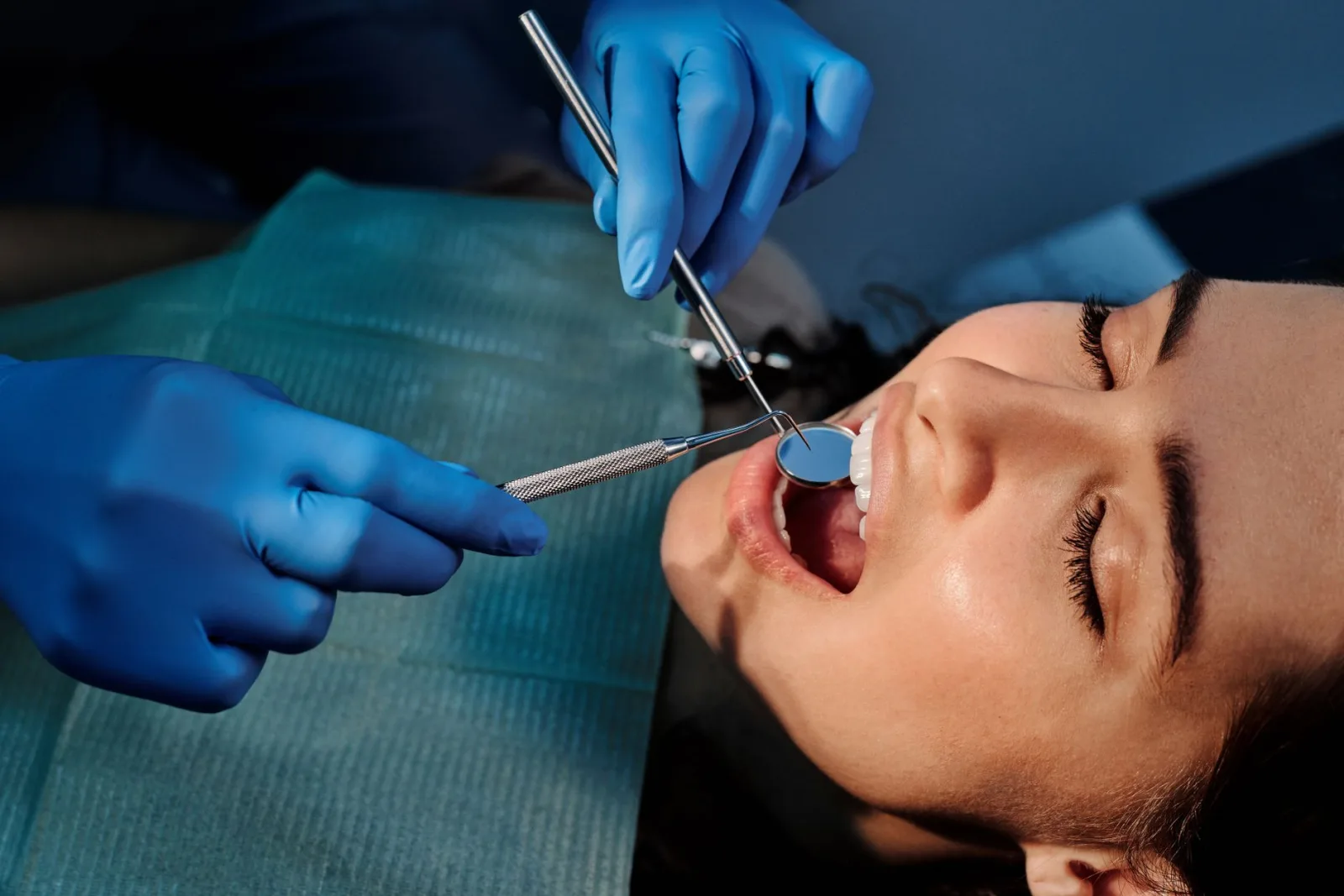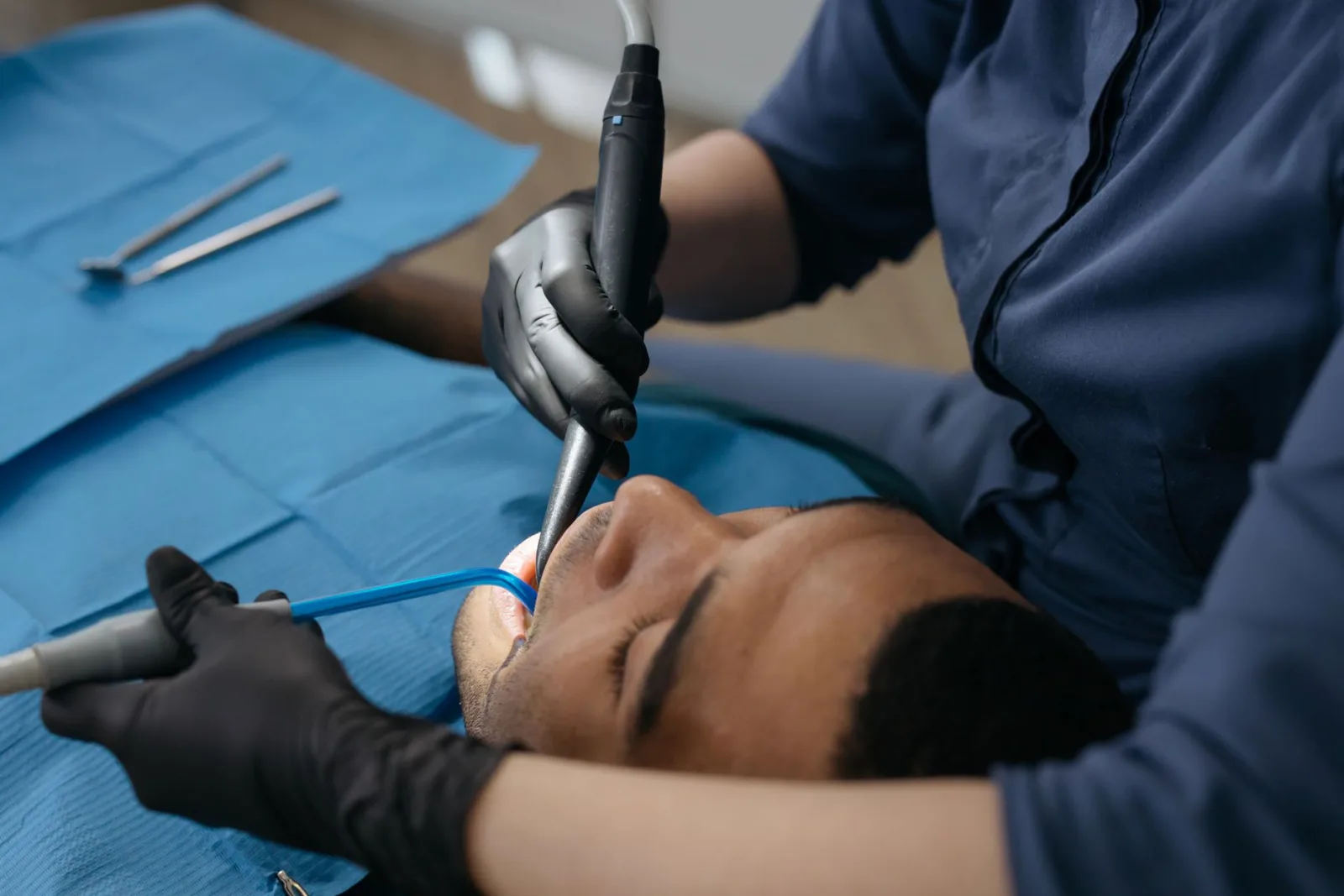
Ask any experienced clinician to name the moment a dental anesthesia procedure most commonly goes sideways, and the answer is rarely the injection itself. It is the anticipation. The seconds between telling a patient what is coming and actually delivering the local anesthetic are, for many patients, the most psychologically loaded moment in the entire appointment.
This is why dental anesthesia success has to be understood as a process, not an event. The outcome of an injection depends not only on technique and chemistry but on what happened in the minutes before the needle was prepared. Getting that pre-injection window right is one of the most consequential clinical skills a provider can develop.
Understanding What Patients Actually Fear
Needle fear is a dominant driver of avoidance behavior in dentistry. Patients who postpone or avoid treatment often do so because they fear injection pain, more than the procedure itself, drilling, or even the cost. That specificity matters for how we approach pre-injection preparation.
Fear of injections affects roughly a quarter of adults and a much larger share of children, making it one of the most common and specific sources of dental anxiety. When a patient braces for an injection, their physiological response is measurable:
Cortisol levels rise, increasing overall pain sensitivity
Muscle tension increases, reducing cooperation during the procedure
Pain perception thresholds drop, making the same injection feel more intense
Pre-injection care is not simply about making patients feel more comfortable. It is a valuable clinical intervention that supports better outcomes by minimizing anxiety before anesthesia begins.
The Role of Topical Preparation in Dental Anesthesia Outcomes
Topical anesthetic applied to the injection site serves a dual function. It reduces the sensation of needle penetration through the mucosa. After that, it signals to the patient that their comfort is being actively managed. That second function is more important than many clinicians realize.
Patients who observe a deliberate, unhurried pre-injection preparation interpret it as evidence of care and competence. That perception reduces anxiety, which in turn reduces pain sensitivity, which makes the injection itself more comfortable. The effect is self-reinforcing: lower anxiety predicts anesthesia success, meaning calmer patients respond better to local anesthetic, require fewer supplemental injections, and report higher satisfaction with the visit overall. The study’s authors point to patient education, consistent dental visits, and anxiety-reduction techniques before anesthesia as practical ways to improve outcomes, reinforcing that the pre-injection window is not incidental to anesthesia success but central to it.
See how DentalJect’s spray works at the point of application, a prescription topical spray that numbs in under two seconds, allowing providers to inject immediately without the wait associated with gel-based preparations.
Technique Factors That Compound with Preparation
Even with effective topical preparation, technique remains central to dental anesthesia outcomes. The following factors work in combination with good pre-injection protocols to define the patient experience:
Needle gauge and advancement speed: Slow, steady advancement with a 27 or 30 gauge needle significantly reduces the sensation of initial penetration
Bevel orientation: Positioning the bevel toward bone minimizes tissue tearing and associated discomfort
Body language: Calm, deliberate movements communicate control and reduce the patient’s vigilance response
Communication: A brief, accurate preview of what the patient will feel sets expectations that, when met, build immediate trust
The clinician who takes a few deliberate seconds for topical preparation and then advances the needle without hesitation sends a coherent message to the patient: this is controlled, predictable, and manageable. Hear what dental professionals say about that experience at the DentalJect testimonials page.
Building a Pre-Injection Protocol That Works
A reliable pre-injection protocol does not have to be complicated. At its core, it needs three elements: a consistent topical preparation step with predictable onset, a brief communication approach that sets accurate expectations, and a technique that maintains calm momentum into the injection itself.
When the pre-injection step is predictable and fast, clinicians can build it into their workflow without disruption. When patients experience that step as comfortable and efficient, their confidence in the remainder of the procedure rises accordingly. Dental anesthesia is one of the most technically refined areas of clinical practice, but its success depends as much on what happens in the preparation window as on anything that comes after. For practices looking to strengthen that critical first step, exploring solutions like DentalJect can be a practical starting point. By simplifying topical anesthetic delivery and supporting a more consistent patient experience, it can help transform a routine injection into a smoother, more confident clinical interaction.
Details
Cover Image
Description Effective dental anesthesia begins before the injection itself. Learn how reducing anxiety and improving comfort can support better outcomes.
Categories None set
Tags None set
SEO title Why Dental Anesthesia Success Starts Before the Injection
SEO description Learn why reducing anxiety and improving patient comfort before injections can help support successful dental anesthesia.
SEO url dental-anesthesia-success-before-injection
Custom fields
ICP None set
KPI None set
Ready to start the No-Wait Injection Protocol?
Add DentalJect to your practice with the risk-free Intro Bundle.
Get the Intro Bundle